The first 24 hours after water damage at your business should focus on safety, stopping the source where possible, documenting the damage and beginning professional water extraction and drying. Acting quickly can help limit further damage to flooring, walls, stock and equipment while giving your business a clearer path towards reopening.
At Revive Cleaning & Restoration, we understand that a burst pipe, roof leak, storm or flood can disrupt an entire workplace with little warning. Knowing what to do first helps you respond methodically rather than making rushed decisions in an already stressful situation.
Put Safety First: Power, Hazards And People On Site
Before thinking about clean-up, make sure employees, customers and contractors are safe. Water and electricity are a dangerous combination. If water has reached electrical equipment, outlets, switchboards or other electrical infrastructure, don't enter the affected area simply to retrieve stock or assess the damage.
Other hazards may not be immediately obvious. Wet floors can become slippery, ceiling materials may have been affected, and floodwater can contain contaminants that make direct contact unsafe. Keep people away from affected areas and restrict access where practical. If you're unsure whether the site is safe to enter, wait for appropriately qualified professionals to assess the relevant hazards.
For larger commercial properties, make sure anyone involved in managing the incident knows which areas are restricted. Clear communication early can prevent staff members from unknowingly walking into an unsafe section of the building.
Stop The Water Source If It's Safe To Do So
Once people are safe, try to identify where the water is coming from. For a burst pipe or plumbing leak, it may be possible to isolate the water supply. If water is entering through storm damage, a damaged roof or another structural issue, don't attempt a temporary repair if doing so would expose you to electrical, height or structural hazards.
Stopping the source matters because extraction and drying can't get ahead of a leak that's continuing to release water into the building. If you manage a leased commercial property, notify the property owner or relevant facilities contact promptly. Depending on the cause, you may also need a plumber, roofer or another specialist to stop the water before restoration can progress effectively.
Don't assume the visible water tells you the full extent of the problem. Water can move beneath flooring, behind walls and into adjoining spaces, which is one reason professional assessment can be important after a significant incident.
Document The Damage For Your Insurer
Before moving or disposing of damaged items, document the affected areas where it's safe to do so. Take clear photographs and videos showing the source if it's visible, the areas water has reached and any affected stock, furniture, equipment or building materials. Wider photos can establish the overall extent of the event, while closer images can record specific damage.
Keep a written record of what happened as well. Note when the water damage was discovered, the apparent cause, which areas were affected and any immediate steps taken to reduce further damage.
If you're making a water damage insurance claim, contact your insurer as early as practical and follow their instructions about documentation and damaged property. Avoid throwing items away purely to make the space easier to clean unless they're creating an immediate safety issue or you've received appropriate guidance. Keeping invoices, reports and other records associated with the response can also make it easier to maintain a clear timeline of the incident.
Protect Stock, Equipment And Business Records
If the site is safe to enter, protecting unaffected property can help prevent the damage from spreading. Move dry stock, portable equipment, documents and other valuable items away from wet areas where practical. If something has already been affected, avoid transferring moisture to an otherwise dry part of the building without considering how it'll be handled and dried. Don't switch on electrical equipment that's been exposed to water. Even if a device looks dry externally, that doesn't mean it's safe to use.
Paper records can be particularly vulnerable because water can quickly spread through boxes, filing systems and storage areas. Prioritise essential business documents where they can be moved safely.
Carpeted areas also need attention because moisture may extend beyond what you can see on the surface. If your workplace has affected carpet, our guide on how to deal with carpet water damage explains why extraction and proper drying are important parts of the response.
Why Acting Quickly Matters After Water Damage
Water doesn't necessarily remain where it first lands. It can spread through porous materials, under floor coverings and into areas that initially appear unaffected. That's why removing standing water is only part of the job. Moisture left within carpet, underlay, walls, cabinetry or other building materials can continue causing problems after the visible puddles have disappeared. Damp conditions can also contribute to unwanted microbial and mould growth.
A fast response allows the affected areas to be assessed and drying to begin sooner. It can also help distinguish between materials that may be suitable for drying and restoration and those that require further attention.
For a business, time matters for another reason: disruption. A closed office, shop, warehouse or commercial property can affect employees, customers and normal operations. Our team provides emergency assistance for commercial water damage in Rockhampton and Central Queensland. Starting the restoration process early gives everyone involved a clearer understanding of the damage and the work required before the affected area can return to use.
What Professional Water Damage Restoration Involves
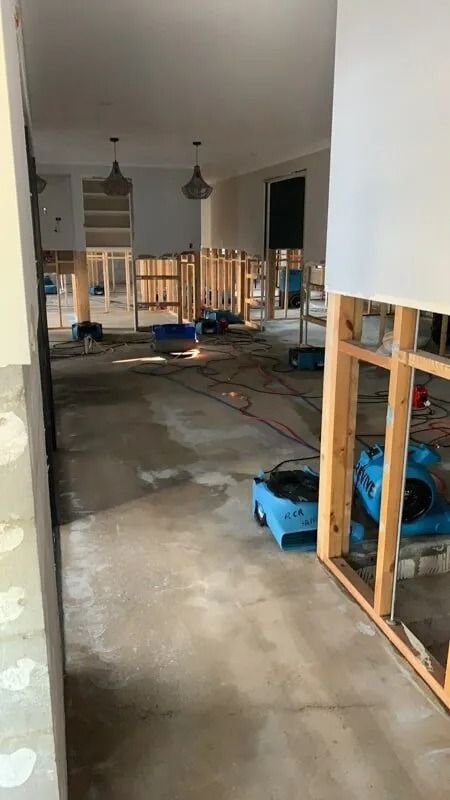
Commercial water damage restoration involves more than removing visible water and putting fans in the room. The first step is assessing the affected area and determining where moisture has travelled. Depending on the property and damage, restoration professionals may use moisture mapping, moisture detection equipment or thermal imaging as part of the assessment.
Water extraction can then remove standing water and moisture from affected areas where appropriate. The drying process may involve specialist air movement and dehumidification equipment, with progress monitored as the area dries.
The exact approach depends on factors such as the source of the water, affected materials and extent of the damage. A small plumbing leak in an office won't necessarily require the same response as water moving through several areas of a commercial building.
For larger storm or
flood damage, the restoration process may also need to account for extensive affected areas, damaged contents and broader clean-up requirements. The goal isn't simply to make the property look dry. The affected areas need to be properly assessed so remaining moisture isn't overlooked behind an apparently clean surface.
Common Mistakes To Avoid After Water Damage
One of the biggest mistakes is assuming that because you can't see water anymore, the area is dry. Moisture can remain beneath carpet, inside wall cavities and in other materials. Another is delaying the response while waiting to see whether the area dries naturally. While minor spills can be different, substantial commercial water damage needs appropriate assessment rather than guesswork.
Avoid using ordinary household electrical appliances in wet areas where electrical safety hasn't been established. You should also avoid entering areas with potentially contaminated water without appropriate precautions. Don't rush to dispose of damaged stock, equipment or records before documenting them and considering any insurer requirements.
Finally, don't focus only on the most visibly affected room. Water can travel, particularly through connected flooring, walls and multi-level buildings. An assessment should consider where the moisture may have moved, not only where the original leak occurred.
Getting Your Business Back On Track With Commercial Cleaners In Rockhampton
Once the immediate emergency is under control, the focus shifts towards drying, cleaning and getting the affected areas ready for normal business operations again. That process is easier when one team can stay involved from the initial response through the clean-up. As experienced commercial cleaners Rockhampton businesses can call on, our in-house team can assist with water extraction, restoration cleaning and the work required to prepare affected areas for use again.
The most important takeaway is to treat the first 24 hours as a damage-control window. Keep people safe, stop the source if you can do so safely, document what happened, protect unaffected property and arrange professional assessment rather than relying on appearances alone.
If water has affected your office, retail space, commercial building or other workplace,
contact Revive Cleaning & Restoration. Our team can assess the situation and help you work through the water removal, drying and clean-up process so you can focus on getting your business back on track.